Best Effective Pesticides for Bed Bugs: Top Treatments for Home Use
Bed bug infestations require fast-acting products, careful application, and ongoing prevention. This article highlights five highly effective pesticides commonly used for indoor bed bug control. Each product targets different life stages, from eggs to adults, and offers practical guidance for safe home use. Review includes key features, application notes, and how they fit into a broader integrated pest management plan.
| Product | Brand | Size / Form |
|---|---|---|
| Ortho Home Defense Max Bed Bug, Flea & Tick Killer | Ortho | 1 gal. |
| EcoVenger EcoRaider Bed Bug Killer (16 oz) | EcoVenger / EcoRaider | 16 oz |
| MGK Crossfire Bed Bug Concentrate | MGK | 13 oz |
| EcoVenger Bed Bug Killer (64 oz) | EcoVenger / EcoRaider | 64 oz |
| BASF PT Alpine Flea & Bed Bug Killer | BASF | 14 oz |
Note: Always follow label directions, wear appropriate protective gear, and ensure proper ventilation when using any pesticide indoors. This guide presents objective information to support informed decision-making and does not replace professional pest advice.
Ortho Home Defense Max Bed Bug Killer

Ortho’s Home Defense Max Bed Bug, Flea & Tick Killer provides broad indoor coverage with quick knockdown. It claims effectiveness against bed bugs, bed bug eggs, fleas, and ticks, including pyrethroid-resistant strains. The formula is designed for spot treatment along bed frames, baseboards, and mattress seams, tufts, and folds. For homes facing recurring bed bug pressure or mixed infestations, this product offers a practical option for targeted applications. The 1-gallon size supports multiple rooms and larger spaces, reducing the need for frequent repurchases.
EcoVenger EcoRaider Bed Bug Killer (16 oz)
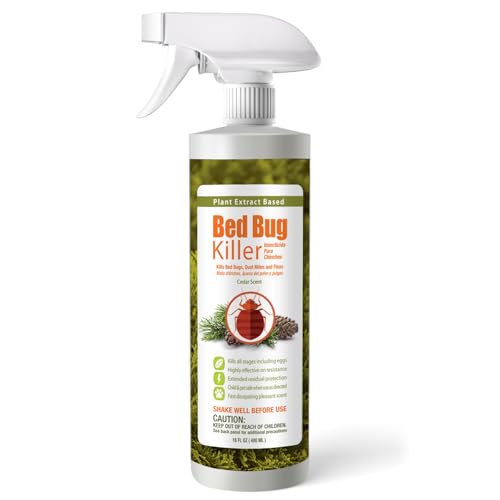
EcoVenger Bed Bug Killer uses a plant-based blend designed to kill bed bugs and their eggs. It is marketed as USDA bio-certified and suitable for sensitive environments, including public housing and other settings requiring low-toxicity options. The product emphasizes efficacy against all life stages, including eggs, and highlights performance against bed bugs resistant to traditional pesticides. EPA-registered botanical formulations may appeal to households seeking non-synthetic alternatives, while maintaining strong kill claims and environmental considerations.
MGK Crossfire Bed Bug Concentrate

MGK Crossfire Bed Bug Concentrate is a professional-grade spray designed to kill pyrethroid-resistant bed bug strains at all life stages, including eggs. The product combines two active ingredients with a synergist for rapid knockdown and comprehensive coverage across mattresses, frames, seams, and other harborages. It is described as non-staining and suitable for direct application to mattresses in residential, institutional, and commercial settings. This option is commonly used by pest management professionals but is accessible to informed homeowners seeking strong, fast-acting control.
BASF PT Alpine Flea & Bed Bug Killer
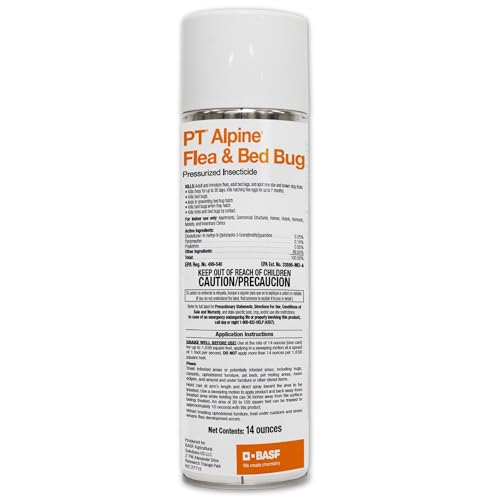
BASF PT Alpine Flea & Bed Bug Killer combines fast knockdown with extended control, targeting bed bugs and fleas. It emphasizes perimeters, e.g., walls, furniture areas, and mattress edges, with a focus on preventing hatch and providing rapid relief. The product’s dual active ingredients are positioned to address hatching eggs for longer periods, contributing to ongoing suppression of an infestation. DINOTEFURAN is cited as a reduced risk active ingredient, and the formula is designed to be non-staining and suitable for multiple environments while drying quickly.
Buying Guide: Key Purchase Considerations And Comparisons
When selecting a bed bug pesticide, consider the following factors to optimize effectiveness and safety:
- Life stage coverage: Look for products that claim efficacy against eggs, nymphs, and adults. Some formulas excel at rapid knockdown, while others target eggs for longer-term control.
- Active ingredients and resistance: If local bed bug strains show resistance, choose products formulated to combat resistant populations. Professional concentrates may offer higher potency with careful application.
- Indoor safety profile: Botanical or low-odor options may be preferable in homes with children or pets, but ensure label directions are followed for safe use around living areas.
- Application scope: Some products are best for spot treatments around beds and furniture, while others are designed for room-perimeter spraying or entire-room coverage. Select based on infestation severity and room layout.
- Surface compatibility: Verify whether a product is non-staining and suitable for use on mattresses, box springs, fabrics, and wood surfaces. Follow label cautions to avoid damage to fabrics or electronics.
- Drying time and odor: Non-staining, quick-drying formulas reduce disruption in occupied spaces. Note odor considerations, especially in bedrooms and living areas.
- Regulatory and safety considerations: Choose EPA-registered products and follow any local regulations. For sensitive environments, consider botanical options with documented field testing.
- Integrated pest management (IPM) compatibility: Use pesticides as part of a broader IPM plan that includes laundering infested fabrics, reducing clutter, and sealing entry points to prevent re-infestation.
Choosing the right product often depends on the infestation’s size, the environment, and any sensitivities in the living space. For many households, a combination approach—spot treatments for known harborages, perimeters to reduce spread, and thorough laundering—produces the best long-term results. Always read the label to confirm allowed surfaces and any restrictions related to pets, children, or food preparation areas.