Best Home Brew Water Filters for Clean, Crisp Beer at Home
Homebrewers know that clean water is the foundation of great beer. A reliable inline or in-line water filter can reduce unwanted minerals, chlorine odors, and particulates that cloud your brew. This guide reviews five popular options that are well-suited for typical home-brew setups, from gravity-fed inline filters to charcoal cartridges for coffee makers. Each choice focuses on simple installation, durability, and noticeable taste improvements, helping you achieve pub-quality brews without complicated equipment.
| Product | Brand | Purpose |
|---|---|---|
| Inline Beer Filter, 80 Mesh 150 Micron | EALRIDV | Beer filtration & sediment removal |
| 12 Pack Water Filters for Cuisinart | GoodCups | Charcoal filtration for coffee makers |
| AQUA CREST Inline Water Filter | AQUA CREST | Refrigerator/ice maker inline filtration |
| Fermus Cold Brew Coffee Filter | Fermus | Wide-mouth jar cold brew filtration |
| Inline Beer Filter, 100 Mesh 150 Micron | EALRIDV | Beer filtration & sediment removal |
Choosing the right filter depends on your setup, target flavor, and maintenance preferences. The following sections highlight five products that frequently appear in homebrew and beverage filtration workflows, focusing on performance, compatibility, and ease of use. Each entry includes a brief overview, practical installation notes, and key considerations for best results.
Inline Beer Filter 80 Mesh 150 Micron
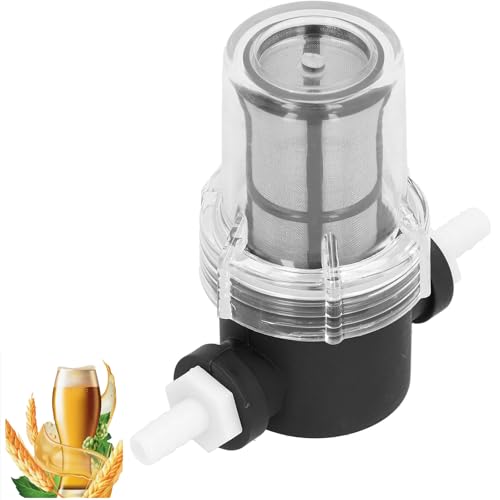
The Inline Beer Filter from EALRIDV is designed for gravity-fed filtration within homebrew systems. Its 80 mesh/150 micron screen strikes a balance between removing haze-causing particles (trub, hops, and proteins) and preserving beer body. A key advantage is its compatibility with standard 3/8-inch tubing, enabling quick assembly without pumps or extra equipment. The unit is built from heavy-duty plastic intended for repeated use and can withstand hot wort up to 150°F, reducing clogging during longer fermentations or dry-hopped batches. This filter can also double as an inline water filter for garden hoses, adding versatility around the home.
Setup notes: Ensure a snug fit on 3/8-inch tubing, use the included hose barbs if needed, and inspect the filter between batches to prevent buildup. The gravity-fed design helps minimize oxygen exposure that can occur with pumping, contributing to cleaner beer. For homebrewers who value simplicity and reliability, this inline filter offers a practical upgrade from basic filter bags while maintaining a straightforward workflow.
Key considerations: Mesh size affects clarity and flow rate; 150 microns is typically effective for most homebrew scenarios, though very dense hops or heavy trub loads may benefit from finer options. Durability and heat tolerance are important if your wort is hot during transfer. Clearance of the filter during busy brew days is aided by its lightweight construction and ready-to-use fittings.
GoodCups Charcoal Water Filters For Cuisinart
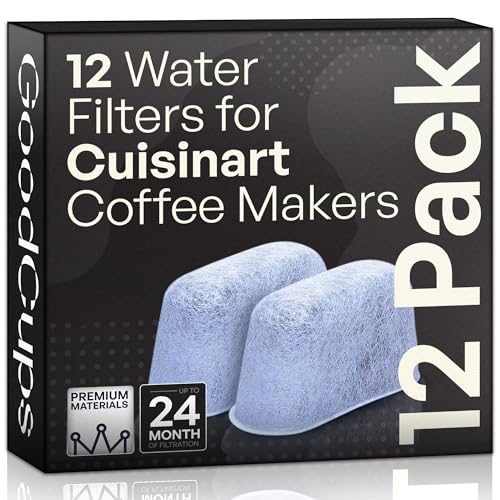
GoodCups offers a 12-pack of replacement charcoal filters designed to fit all Cuisinart coffee makers, including older and newer models. While primarily marketed for coffee, charcoal filtration can also benefit water used in homebrew by removing chlorine odor and improving taste before mashing and boiling. The filters emphasize universal compatibility, strong adsorption capacity, and an emphasis on preserving brewer life by protecting brewing components from mineral buildup.
Usage tips: Replace filters at intervals recommended by the brewer or when you notice flavor changes in your coffee or brew water. Although designed for coffee machines, these filters can be repurposed for water used in fermentation or for pre-filtering brewing water prior to mashing. The universal fit helps reduce stocking multiple filter types in a small homebrew setup.
Key considerations: Charcoal filters effectively remove odors and some chlorine but do not reduce dissolved solids (TDS). If your water has taste issues beyond chlorine, consider combining with an inline sediment filter for broader improvement. Availability of multi-pack filters can simplify routine maintenance for frequent brewers.
AQUA CREST Inline Water Filter

The AQUA CREST inline filter is a versatile option designed for refrigerators, ice makers, coffee makers, and other inline filtration needs. It supports 1/4-inch direct connect fittings and offers both compression and push-to-connect options for straightforward installation on plastic or copper lines. The filter is designed with a five-year service life or up to 5,000 gallons in typical conditions (specific performance depends on water quality). Note that this system does not reduce total dissolved solids (TDS), so it targets taste and odor improvements more than mineral reduction.
Practical considerations: This filter is suited for home systems where you want to improve ice machines and drinking water directly from the fridge. If you’re integrating it into a beer workflow, use it for pre-filtering water before mashing or boiling to reduce chlorine flavor. Its easy twist-in installation minimizes downtime during brew days and helps maintain a clean setup.
Fermus Cold Brew Coffee Filter

Fermus provides a stainless steel, 304-grade filter designed for 64-ounce wide-mouth Mason jars, ideal for cold brew and other infusion beverages. While primarily a coffee filtration tool, its steel construction and fine mesh work well for straining post-boil liquids or pre-filtering mash runoff in some homebrew workflows. The design includes a silicone seal ring to prevent leaks during long steeping sessions. This option emphasizes durability, ease of cleaning, and compatibility with common jar sizes, making it a flexible component for at-home beverage filtration beyond coffee.
Usage guidance: Use in a wide-mouth jar for cold brew, tea, or flavored infusions; it can also serve as a secondary filter stage for pre-filtered beer wort. The stainless construction minimizes corrosion risk and supports repeated use, aligning with sustainable homebrewing practices.
Inline Beer Filter 100 Mesh 150 Micron

This EALRIDV inline filter features a 100 mesh/150 micron screen, broadening its sediment-trapping capability while maintaining reliable flow for gravity-fed setups. The unit is described as rugged enough to withstand hot wort and pressures typical in homebrew systems, with a design that snaps onto standard tubing in seconds. It includes adapters and clamps to streamline installation, helping minimize fuss during brew day. It’s positioned as a higher-grade filter for brewers who demand both clarity and a clean, crisp taste in their final product.
Practical notes: The 100 mesh size can reduce more particulate than the 80 mesh option, potentially yielding clearer beer, but flow rates may be slightly reduced depending on batch size and gravity. Regular cleaning and inspection help prevent clogging during longer boils or heavy trub generations. This model remains a convenient, tool-free upgrade for a straightforward filter path.
Ejoyous Inline Beer Filter 80 Mesh

Designed for 3/8-inch ID siphon hoses, this inline beer filter targets a smooth balance between filtration and flow. The 80-mesh (approximately 150 microns) filtration helps capture trub and hops particles, supporting a clearer final beer. The unit is described as sturdy plastic, reusable, and capable of handling up to 150 psi with a straightforward cleanup process. A practical choice for home brewers who want a simple, reusable inline filter without complex maintenance steps.
Implementation tips: Pair with standard siphon setups and ensure a tight seal to prevent leaks. The filter’s straightforward design makes it easy to swap between batches or to adjust mesh selection based on batch characteristics, such as dry hopping or high-protein malt profiles. Regular checks for wear on hose barbs help maintain reliable operation.
KIMISS Inline Beer Filter Strainer
KIMISS offers a durable inline water filter with 150/80 mesh options, designed to withstand up to 150 psi and temperatures around 150°F. It emphasizes enhanced beer quality by removing trub, hops, and proteins to yield a cleaner, more refined brew. The versatility extends beyond beer, with compatibility for pressure cleaners, garden hoses, and drip irrigation, giving you options for multiple uses around the home. This flexibility makes it a practical choice for hobbyists exploring different filtration workflows.
Tips for use: Ensure correct orientation and secure hose barbs to prevent leaks during operation. The 12 mm hose barb size matches common equipment, simplifying integration into existing setups. Consider using this filter as a supplementary stage after a coarse pre-filter to maximize beer clarity without sacrificing too much flow rate.
Buying Guide: Filters For Homebrew Water And Beverage Filtration
When selecting a filter for homebrewing, consider the following aspects to tailor choices to your setup and taste goals:
- Filtration goal: Decide between sediment removal (trub, hops) and taste/odor improvement (chlorine, odors) or both. Mesh size and media type determine outcomes.
- Flow vs clarity: Finer meshes yield clearer beer but may reduce flow in gravity-fed systems. Balance batch size, gravity, and equipment ports to avoid bottlenecks.
- Compatibility: Check tubing sizes (commonly 3/8-inch) and connector types. Inline filters should align with your fermenter, siphon, kettle, or fridge connectors.
- Temperature tolerance: Hot wort can approach 150°F. Ensure filters used in hot paths withstand heat without degrading or releasing unwanted compounds.
- Materials and durability: Plastic housings offer light weight and affordability, while stainless options excel in durability and longevity for frequent use.
- Maintenance: Reusability, cleaning ease, and filter replacement frequency influence long-term costs and brew day simplicity.
- Multi-use potential: Some inline filters double as general water or garden hose filters. This flexibility can reduce clutter in tight spaces.
- Impact on TDS: Some inline systems reduce chlorine and odors but do not alter total dissolved solids. If mineral reduction is a goal, you may need a separate water treatment solution (e.g., reverse osmosis pre-filtration).
Bottom line: For most homebrewers, a two-stage approach—an inline sediment filter paired with a charcoal or pre-filter—delivers noticeable taste improvements with manageable maintenance. Gravity-fed inline options offer simplicity and reliable performance without pumps, while stainless steel or high-grade plastics provide durability for repeated batches. Consider your typical batch size, equipment compatibility, and patience for cleaning when choosing the right filter path for your setup.