Best Do‑It‑Yourself Outdoor Home Security Systems for Peace of Mind
Your home security setup should be simple, scalable, and reliable. This article highlights five do-it-yourself outdoor and mixed-use security systems that are easy to install, work with popular apps, and offer strong monitoring options. Each product is designed for homeowners who want professional-grade protection without monthly fees or expensive installation. Read on to compare features, installation requirements, and remote access capabilities to help you choose the right system for your villa, home, or apartment.
| Product | Key Benefit | Connectivity | Kit Type |
|---|---|---|---|
| PGST WiFi Home Alarm Security System | Wireless DIY, mobile app control, SOS emergency key | WiFi (2.4GHz only) + optional GSM/4G | 24-piece kit |
| KERUI Standalone Home Office Security Kit | DIY expandable up to 30 detectors, loud siren | No WiFi/GSM/APP required | Complete DIY kit with sensors and remotes |
| SimpliSafe 8 Piece Wireless System | Plug-and-protect setup with optional 24/7 monitoring | Works with Alexa/Google Assistant | 8-piece starter kit |
| Hiseeu Wireless Pro WiFi Security Camera System | Local & remote control with 24/7 recording | 2.4/5 GHz WiFi, wired power | 16-channel NVR with cameras |
| ZOSI 3K Lite Security Camera System | AI detection, daytime/nighttime clarity | WiFi/NVR setup (no HDD included) | 4 cameras, 8-channel DVR |
What matters most when choosing a DIY outdoor security system is how easy it is to install, how well it integrates with your network, and whether it provides useful alerts without ongoing fees. The following sections break down each product’s setup, key features, and practical considerations for American homes.
PGST WiFi Home Alarm Security System

The PGST system emphasizes a self-install approach with a wall-mounted host panel and a 24-piece kit. It supports 2.4GHz WiFi for app control via Smart Life or Tuya, enabling remote arming/disarming, mode changes, and notifications. An optional GSM/3G/4G network adds cellular backup, while a built-in SOS button offers rapid response in emergencies. No monthly fees are required, making it a practical choice for homeowners seeking straightforward DIY installation and cloud-free operation.
Considerations: Ensure your router uses a 2.4GHz band and plan for wall mounting. If cellular back-up is essential, add a compatible SIM card (not included). The app-centric control provides central management of multiple devices, but you’ll want reliable mobile coverage for best alert delivery.
KERUI Standalone Home Security Kit

This kit is designed for pure DIY security without relying on a cloud connection. It includes a loud siren horn, door contacts, motion detectors, and remotes, with room to expand up to 30 wireless detectors. Installation is straightforward, and it uses a manual-based setup with remote control arming and disarming. It’s a strong option for spaces where you want audible deterrence and local alerts without requiring WiFi or an app.
Considerations: It’s ideal for users who prefer offline operation and a loud audible alert. If you need remote notifications or cloud access, you’ll need to pair it with a WiFi-enabled system or add compatible components. Battery life and sensor placement should be planned to maximize effectiveness in larger spaces.
SimpliSafe 8 Piece Wireless System
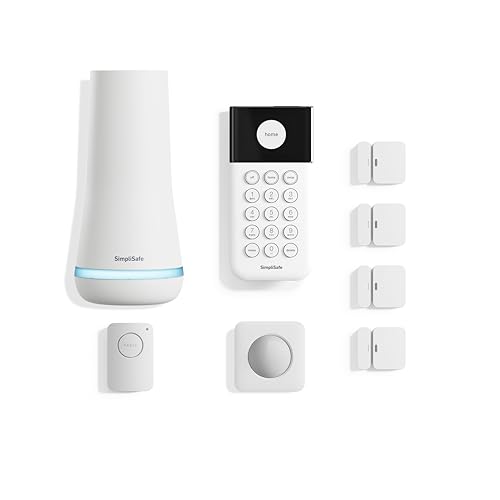
SimpliSafe offers a plug-and-protect experience with optional, contract-free professional monitoring. The Base Station is simple to set up, and sensors are positioned quickly to cover entry points. The system integrates with voice assistants like Alexa and Google Assistant, enabling hands-free status checks and arming via smart speakers. It positions itself as an affordable, scalable option with easy upgrades as your needs evolve.
Considerations: If you want round-the-clock monitoring, you’ll need to opt into monitoring services. Even without monitoring, the system provides strong local alerts and app-based remote control. The absence of drilling makes it appealing for renters or homeowners seeking a low-friction install.
Hiseeu Wireless Pro WiFi Security Camera System

The Hiseeu system emphasizes a robust 16-channel NVR with 5MP cameras and local storage (3TB HDD included in some configurations). It supports dual-band WiFi and wired power, offering 24/7 recording without monthly cloud fees. The combination of local storage and high-resolution video is designed for households needing comprehensive visual coverage of indoor and outdoor spaces.
Considerations: Local storage reduces ongoing costs, but you’ll rely on the NVR for playback unless cloud options are added. Setup can be more technical than entry-level kits, so follow the included manuals carefully to optimize recording modes and camera placement.
ZOSI 3K Lite Security Camera System

ZOSI’s 3K Lite system focuses on AI-powered detection for people and vehicles, helping reduce false alerts. It features weatherproof cameras, infrared night vision, and a capable H.265+ DVR for efficient storage. The package is versatile for both indoor and outdoor deployments and is designed for users who want intelligent alerts alongside reliable day-and-night surveillance.
Considerations: Ensure you have adequate network bandwidth for video streams, especially if multiple cameras are active. The system can be expanded, but additional HDD space or cloud options may be necessary for longer retention and higher-resolution footage.
Buying Guide: Key Purchase Considerations And Comparisons
- Installation and Ease of Use: If you’re a DIY beginner, favor systems marketed as plug-and-play with step-by-step setup and minimal tools required. Kits with wall-mounted hubs and included screws simplify mounting.
- Connectivity And Backups: Decide between WiFi-only, WiFi plus cellular backup, or offline (no internet) operation. Cellular backup adds resilience in service outages, but may require a SIM card and data plan.
- Storage And Access: Local storage (NVR or DVR) avoids monthly fees but requires manual maintenance. Cloud options offer remote access but may incur ongoing costs. Consider backup strategies and retention length.
- Alerts and App Ecosystems: Look for compatibility with popular apps (Smart Life, Tuya) and voice assistants (Alexa, Google Assistant) for streamlined control and routines.
- Scalability: If you plan to expand, start with a system designed for growth (additional detectors, cameras, and sensors) without replacing the core hub.
- Privacy And Security: Prioritize reputable brands with clear data policies. Local storage reduces exposure to cloud data, while encrypted communication enhances security.
- Weather Resilience: Outdoor cameras and sensors should be rated for weather exposure. Check IP ratings and mounting considerations for long-term durability.
- Cost Of Ownership: Consider initial kit price, potential monitoring fees, and storage or cloud costs. A DIY approach helps control ongoing expenses, but plan for expansion costs as needed.
- Protection Coverage: Assess the size of your property and perimeters to determine the number and placement of sensors or cameras. Do not overlook entry points like doors, windows, and garage areas.
In sum, a well-chosen do-it-yourself security system can offer strong detection, rapid alerts, and flexible monitoring without ongoing contracts. When selecting, prioritize user-friendly installation, reliable connectivity, scalable expansion options, and secure data handling. The products reviewed here are representative options across different preferences—some favor total local control, others emphasize cloud-enabled features and smart home integration. Choose the combination that best aligns with your home, budget, and comfort with tech.