Best Exterior Wood Stain Colors for Outdoor Projects
Choosing the right exterior wood stain color protects your outdoor wood surfaces while enhancing natural grain and curb appeal. This guide highlights several versatile stains that perform well on outdoor furniture, fences, decks, and siding. Each option offers different finishes, drying times, and odor profiles to fit your project timeline and environment. Below you’ll find concise product notes and a buying guide to help you compare color depth, durability, and safety considerations for outdoor use.
Summary of selected products (at a glance):
| Product | Brand | Finish / Color | Notes |
|---|---|---|---|
| DWIL Water Based Wood Stain – Red Cherry | DWIL | Red Cherry | One coat, fast drying, low odor; indoor/outdoor suitability |
| DWIL Water Based Wood Stain – Rosewood | DWIL | Rosewood | One coat, fast drying, low odor; indoor/outdoor suitability |
| LIIZOUSUDA Wood Dye Kit – 5 Colors | LIIZOUSUDA | 5 colors (powdered dye kit) | Versatile for base colors, quick prep with water mix |
| SENVEN Wood Stain – Walnut | SENVEN | Walnut | Water-based, low VOC, deep penetration |
| Vividye Wood Stain – Red Cherry | Vividye | Red Cherry | Low odor, indoor/outdoor friendly; deep color |
DWIL Water Based Wood Stain – Red Cherry

DWIL offers a water-based wood stain with a single-coat application that yields a natural, matte finish and enhanced texture. Its fast-drying formula ensures even color penetration for both indoor and outdoor wood surfaces such as furniture, cabinets, doors, trims, fences, and decks. The product emphasizes safety with a low odor and non-toxic composition, making it suitable for spaces near living areas and pets. Coverage is designed for efficient project completion, and the one-coat approach helps simplify outdoor staining tasks where time is critical.
DWIL Water Based Wood Stain – Rosewood

This DWIL Rosewood variant mirrors the brand’s one-coat, fast-drying methodology with a water-based, low-odor formula. Suitable for indoor and outdoor wood projects—including furniture, cabinets, doors, trims, and exterior surfaces—its safe-to-use profile emphasizes a pleasant application experience for exterior decking and fencing where odor control is valued. The stain’s fast drying helps reduce exposure time to weather during outdoor work.
LIIZOUSUDA Wood Dye Kit – Five Color Kit

This powdered wood dye kit provides five vibrant color options that can be mixed with water to create custom stains for interior and outdoor projects. The dyes are designed for strong color impact with minimal fillers, making the colors appear richer on exterior surfaces like decks, fences, and wooden furniture. The water-based formulation keeps odors low and supports safer use in outdoor spaces where ventilation is a concern. Add color quickly while maintaining wood grain visibility.
SENVEN Walnut Wood Stain
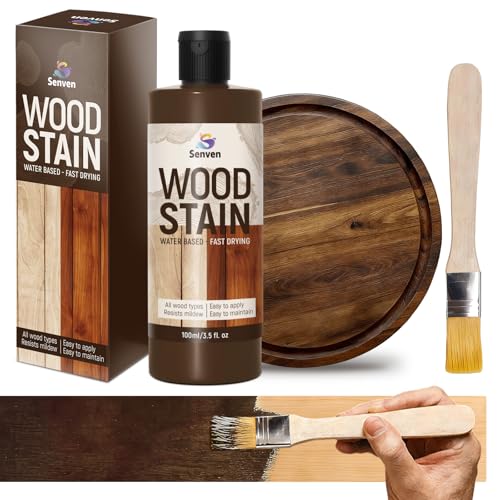
SENVEN wood stain emphasizes a professional, deep color with a semi-transparent finish that highlights natural grain. The water-based, low-VOC formula makes it suitable for outdoor use on decks and furniture, while remaining safer for indoor spaces. Its high-coverage, deep penetration approach helps revitalize aging wood, offering durable protection against weathering without overwhelming grain detail. Shake well before use for the most even color results.
Varathane Premium Fast Dry Wood Stain – Honey Maple

Varathane’s Premium Fast Dry line includes a Honey Maple shade with a one-coat coverage capability and a fast-drying oil-based formula. It dries to the touch in about an hour and covers up to 70 square feet, making it a strong option for outdoor projects where quick handling is beneficial. This stain is designed for interior use primarily, but its durable finish can extend to protected exterior applications when properly prepared and protected from direct moisture.
Varathane Premium Fast Dry Wood Stain Spray – Dark Walnut
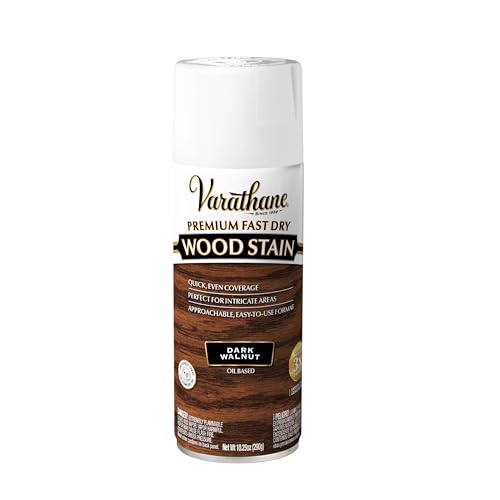
This spray stain from Varathane provides quick, even coverage for interior furniture, cabinets, doors, and other surfaces that see outdoor use under sheltered conditions. The oil-based spray makes it ideal for intricate or hard-to-reach areas and can speed up project timelines where a brush application would be slower. Coverage per can reaches up to 40 square feet, enabling faster refreshes of outdoor woodwork, especially in tight or detailed spaces.
Buying Guide: Exterior Stain Considerations
Key factors when selecting exterior wood stains include finish type, color depth, and environmental impact. Here are essential considerations to ensure you pick the right product for outdoor projects:
- Outdoor durability: For decks, fences, and siding, prioritize exterior-grade formulas with UV protection, water resistance, and fade resistance. Oil-based stains typically offer deeper color and longer wear, while water-based options dry quickly and emit less odor.
- Safety and odor: Low-odor, non-toxic formulations are preferable for home exteriors near living spaces and gardens. Water-based stains are usually lower in VOCs and easier to clean up.
- One-coat coverage vs. re-coats: Some products are designed for one-coat coverage, simplifying outdoor projects. Others may require multiple coats for optimal protection and color depth; plan accordingly for your weather and exposure.
- Color depth and grain: Semi-transparent stains highlight wood grain, while solid or darker stains provide more uniform color. For aged or weathered wood, a stain with good penetration helps revive the surface.
- Preparation and surface condition: Proper cleaning, sanding, and removing old finishes improve stain adhesion and longevity. Some products tolerate less-prepared surfaces better than others.
- Environmental compatibility: If you’re staining outdoor furniture or play environments for pets or kids, choose low-VOC, non-toxic formulas to minimize exposure.
- Application method: Brush, roller, wipe-on, or spray options suit different project sizes and shapes. Sprays can speed large, flat surfaces, while brushes work well for edges and corners.
- Maintenance interval: Expect reapplication intervals that depend on sun exposure, climate, and surface preparation. Decks in sunny climates may require more frequent touch-ups than shaded areas.