Best Standing Pads for Office: Top Anti-Fatigue Mats for All-Day Comfort
Standing for long hours at a desk can strain the feet, knees, and back. This guide highlights five popular standing pads designed for office use, focusing on comfort, durability, and easy maintenance. Each product features different thicknesses, surfaces, and portability options, so you can find a mat that fits your workflow and workspace. Below you’ll find a quick overview and detailed sections to help you compare features and make an informed purchase.
| Product | Size | Brand | Key Benefit |
|---|---|---|---|
| FEATOL Anti Fatigue Mat (20″ x 32″) | 20″ x 32″ | FEATOL | 9/10″ cushion for long-term comfort |
| Ergohead Anti Fatigue Mat (17″ x 22″) | 17″ x 22″ | ergohead | Built-in handle for easy portability |
| ComfiLife Anti Fatigue Floor Mat (20″ x 32″) | 20″ x 32″ | ComfiLife | 3/4″ thick memory foam for durable support |
| KitchenClouds Anti Fatigue Rug (17.3″ x 28″) | 17.3″ x 28″ | KitchenClouds | Water-resistant, non-slip surface |
| Topo by Ergodriven Standing Desk Mat | Varies by model | Ergodriven | Custom terrain for dynamic standing |
FEATOL Anti Fatigue Mat for Standing (20″ x 32″)

FEATOL’s standing desk mat combines a high-density memory foam core with a PU leather top to deliver long-lasting support. The mat features a 9/10″ cushion thickness designed to reduce pressure on the feet, knees, and lower back during extended standing. Its surface resists punctures, tears, and stains, making cleaning simple with a damp cloth. This model is intended for home and office use and retains its shape and cushioning over time, helping maintain comfort through all-day tasks.
Ergohead Anti Fatigue Kitchen Floor Mat (17″ x 22″)

The Ergohead mat emphasizes massage points to promote blood circulation and reduce fatigue from prolonged standing. A built-in handle enhances portability, allowing easy transport and storage. A non-slip bottom increases stability, helping you stay in place while you work. The combination of cushioning and targeted massage points offers a comfortable stand for office or kitchen tasks, with a design that supports quick relocations between spaces.
ComfiLife Anti Fatigue Floor Mat (20″ x 32″)
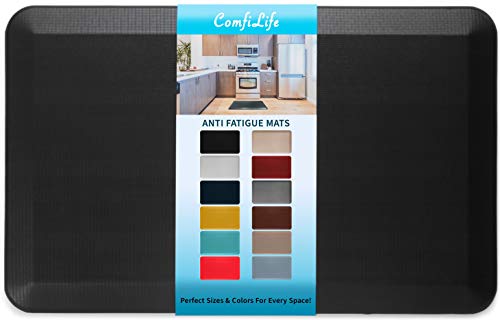
ComfiLife offers a 3/4-inch-thick memory foam core designed to relieve pressure on feet, knees, legs, and the back during extended standing. The mat is described as durable and resistant to wear, suitable for high-traffic areas like kitchens or offices. Its multi-use applicability makes it a practical choice for people who stand at a desk, cook, or perform tasks in a workshop, with easy maintenance and a non-slip bottom to prevent sliding.
KitchenClouds Kitchen Mat Cushioned Anti Fatigue Rug (17.3″ x 28″)
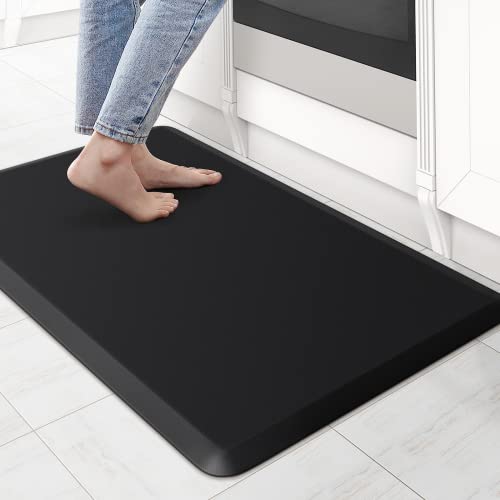
KitchenClouds focuses on safety and ease of cleaning with a water-resistant surface and a diamond-patterned non-slip bottom. The bevel edge reduces tripping risk, and the soft PVC foam provides cushion to ease muscle and joint discomfort. Cleaning is straightforward—wipe clean, vacuum, or sweep to maintain a tidy standing surface in kitchens, offices, or entryways.
Topo by Ergodriven Standing Desk Mat

Topo is designed specifically for standing desks with a textured, terrain-inspired surface that encourages movement, claimed to help reduce fatigue and improve circulation. It’s marketed as one of the most effective mats for standing desk users, promoting a healthier, more dynamic stance throughout the workday. The mat is crafted to be durable and ergonomic, with a focus on long-term comfort and energy levels post-work.
Buying Guide: Key Purchase Considerations For Standing Office Mats
- Thickness and support: Heavier use benefits from thicker mats (3/4″ to 1″). If you stand for many hours, a deeper cushion like 9/10″ may offer better relief for feet and back, though it can be heftier and less portable.
- Surface material and durability: PU leather-like surfaces resist tearing and are easy to wipe clean, while high-density memory foam provides long-lasting support. Consider spill resistance and how you’ll clean the mat.
- Non-slip design: A secure bottom reduces sliding on tile or wood floors and improves safety in busy workspaces. Be mindful of edge bevels to minimize tripping hazards.
- Portability: If you move between rooms or offices, features like built-in handles or lighter constructions can matter. Some mats are easier to roll or hang for storage.
- Foot ergonomics and circulation: Mats with massage points or terrain textures encourage micro-movements and blood flow, which may reduce fatigue during long sessions of standing.
- Size compatibility: Match mat dimensions to your desk footprint and standing area. Larger mats provide more surface area but require more space.
- Maintenance and longevity: Look for materials that resist deformation and retain cushioning after extended use. Easy cleaning reduces daily upkeep and keeps the mat looking new.
- Versatility: Some mats work well in kitchens, offices, and entryways. A versatile mat may be a better value if you multitask across spaces.
When choosing, weigh your workspace geometry, typical standing duration, and the ease of maintenance against cushion firmness and portability. For multi-user offices, a durable surface with reliable non-slip backing is especially important. For home offices, aesthetics and color options may also influence your choice, alongside performance.