Best Vinyl Adhesive Tile Floor Solutions for Quick, Durable Installations
When choosing a vinyl adhesive tile floor system, you want reliable adhesiveness, fast dry times, and compatibility with common subfloors. This guide highlights top products designed for vinyl composition tile (VCT) and related vinyl installations, including both direct-bond and tile-over-tile applications. Each option features solvent-free formulations and strong initial grab to help you complete projects efficiently and with lasting results.
Below is a quick summary table of the selected products, including brand, primary use, and standout features to help you compare at a glance.
| Product | Brand | Primary Use | Key Features |
|---|---|---|---|
| Roberts 2057-1 1 Gallon Vinyl Composition Tile Adhesive | ROBERTS | VCT installation (excluding self-stick) | SBR latex, fast dry, enhanced grab; suitable for tile-over-tile, direct/double bond, bonds to many substrates |
| Roberts 2057-0 1 Quart VCT Adhesive | ROBERTS | Underlayment and VCT | SBR latex, solvent-free; quick dry, strong grab; bonds to concrete, plywood, terrazzo, and more |
| DAP 141 Multi-Purpose Floor Adhesive | DAP | General floor tile projects | Versatile use; tips emphasize planning and permits |
| ROBERTS Universal Resilient Flooring Adhesive | ROBERTS | Luxury vinyl tile/plank and related resilient floors | Acrylic latex, solvent-free; high initial strength; suitable for multiple substrates |
| Henry, W.W. QT #430 Tile Adhesive | Henry | Tile installations (misc. VCT) | US-made; general tile adhesive for various substrates |
Roberts 2057-1 1 Gallon Vinyl Composition Tile Adhesive

Roberts 2057-1 is a solvent-free, SBR latex adhesive designed for vinyl composition tile installations. It offers quick dry time and enhanced initial grab, improving alignment during placement. It supports both direct bond and tile-over-tile methods and adheres to concrete, APA-rated plywood, primed gypcrete, terrazzo, and more. This 1-gallon size is convenient for small to mid-size projects and for installers prioritizing a strong initial grab to minimize tile shifting.
Roberts 2057-0 1 Quart Vinyl-Composition Adhesive

Roberts 2057-0 is a vinyl composition and vinyl-asphalt adhesive formulated for underlayment-quality applications. The solvent-free, SBR latex formula provides quick dry time and strong grab, suitable for direct bond and tile-over-tile installations. It bonds to concrete, APA-rated plywood, existing and finished VCT, and several compatible substrates, including primed gypcrete. This quart-size option is ideal for smaller rooms or touch-ups where precise handling matters.
DAP 141 Multi-Purpose Floor Adhesive
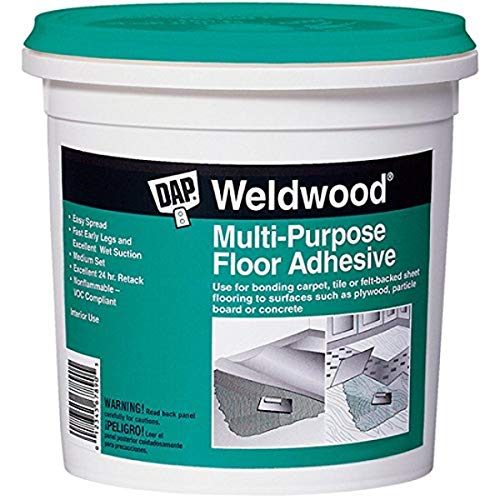
DAP 141 is a versatile floor adhesive suitable for a variety of tile projects. While not exclusively a VCT adhesive, it provides reliable bond strength for projects requiring quick installation and robust adhesion. The product guidance emphasizes thoughtful project planning and permitting considerations, making it a solid option for contractors handling renovations or new construction where compliance steps are essential.
ROBERTS Universal Resilient Flooring Adhesive

Roberts Universal Resilient Flooring Adhesive is a water-based acrylic latex, solvent-free adhesive designed for a wide range of resilient floors, including luxury vinyl tile and vinyl-backed carpets. It offers high initial strength and an improved environmental footprint. It bonds well to concrete and flooring-grade plywood, as well as substrates like steel and terrazzo when properly prepared. It is suitable for VCT and other vinyl-backed products that demand a strong, flexible bond with low odor.
Henry, W.W. QT #430 Tile Adhesive
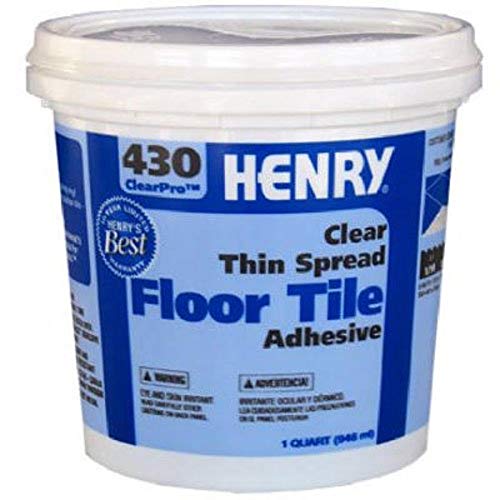
Henry QT #430 Tile Adhesive is a general-purpose tile adhesive suitable for various installations, including vinyl-backed products. With US origin and a focus on reliability, this adhesive provides dependable bonding for standard tile applications and common substrates. It is a practical option for mixed-material renovations where a versatile adhesive is beneficial.
Buying Guide: Key Purchase Considerations
When selecting a vinyl adhesive tile floor adhesive, consider substrate type, tile type, and project scope. For VCT installations, prioritize adhesives labeled for vinyl composition tile with direct-bond and tile-over-tile capability. Solvent-free formulations reduce odor and improve indoor air quality, while quick-dry times help keep projects on schedule.
- Substrate compatibility: Ensure the adhesive bonds to concrete, plywood, primed gypcrete, terrazzo, and other common subfloors you encounter.
- Bond type: Direct-bond vs. tile-over-tile; check manufacturer guidance for your substrate and tile system.
- VOC and odor: Solvent-free, low-VOC options are preferable for residential spaces and occupied renovations.
- Open time and drying: Consider adjusting installation pace to the product’s open time and dry time; temperature and humidity affect performance.
- Working properties: Some adhesives offer enhanced grab to minimize tile shifting; others emphasize high initial strength for heavy traffic areas.
- Subsequent layers: If radiant heat is present or if radiant floors are used, verify temperature limits and compatibility.
- Safety and compliance: Review product data sheets for cure times, ventilation needs, and disposal guidelines.
Substrate and Tile Considerations
For older floors with residual adhesives or uneven substrates, tile-over-tile installations can save time, but require careful surface preparation. When bonding to aged residues or patchy subfloors, choose adhesives with strong initial grab and flexible curing to accommodate minor substrate movement.
Installation Scenarios
Direct bond is common for new concrete slabs or primed plywood, while tile-over-tile is useful for renovations without full tear-out. For radiant-heated substrates, ensure the product tolerates mild perimeter temperatures and verify maximum surface temperatures recommended by the manufacturer.
Durability And Maintenance
Adhesives designed for vinyl floors should maintain bond strength under foot traffic, humidity changes, and routine cleaning. Solvent-free formulations often offer lower odor and easier cleanup, which can be advantageous in households with children or pets.